St. Paul Education Blog
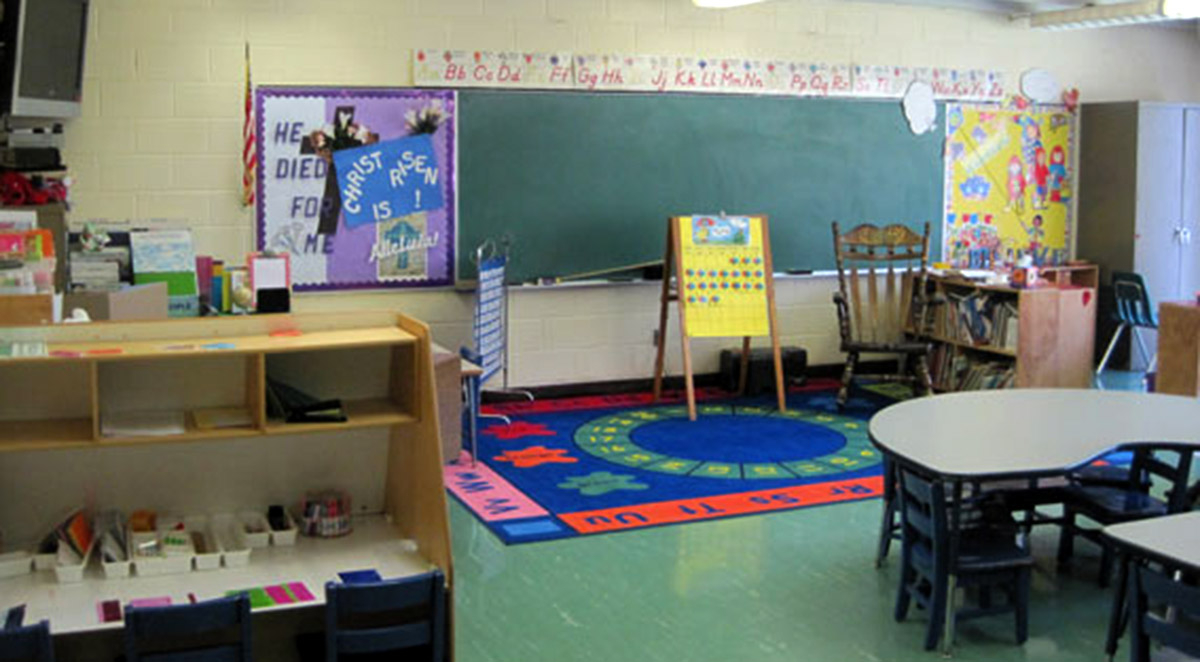
The choice between private and public schooling reaches beyond test scores and graduation day. The research suggests that the community surrounding your child during their formative years can influence how they approach marriage, parenting, and service for decades to come. While no school replaces the role of loving parents, the right school can strengthen and reinforce everything you are building at home.
In this guide, we look at what the data says about private and public schooling and adult family life, why school environments make a difference, and how St. Paul Lutheran School in Northville partners with families during the formative K-8 years.
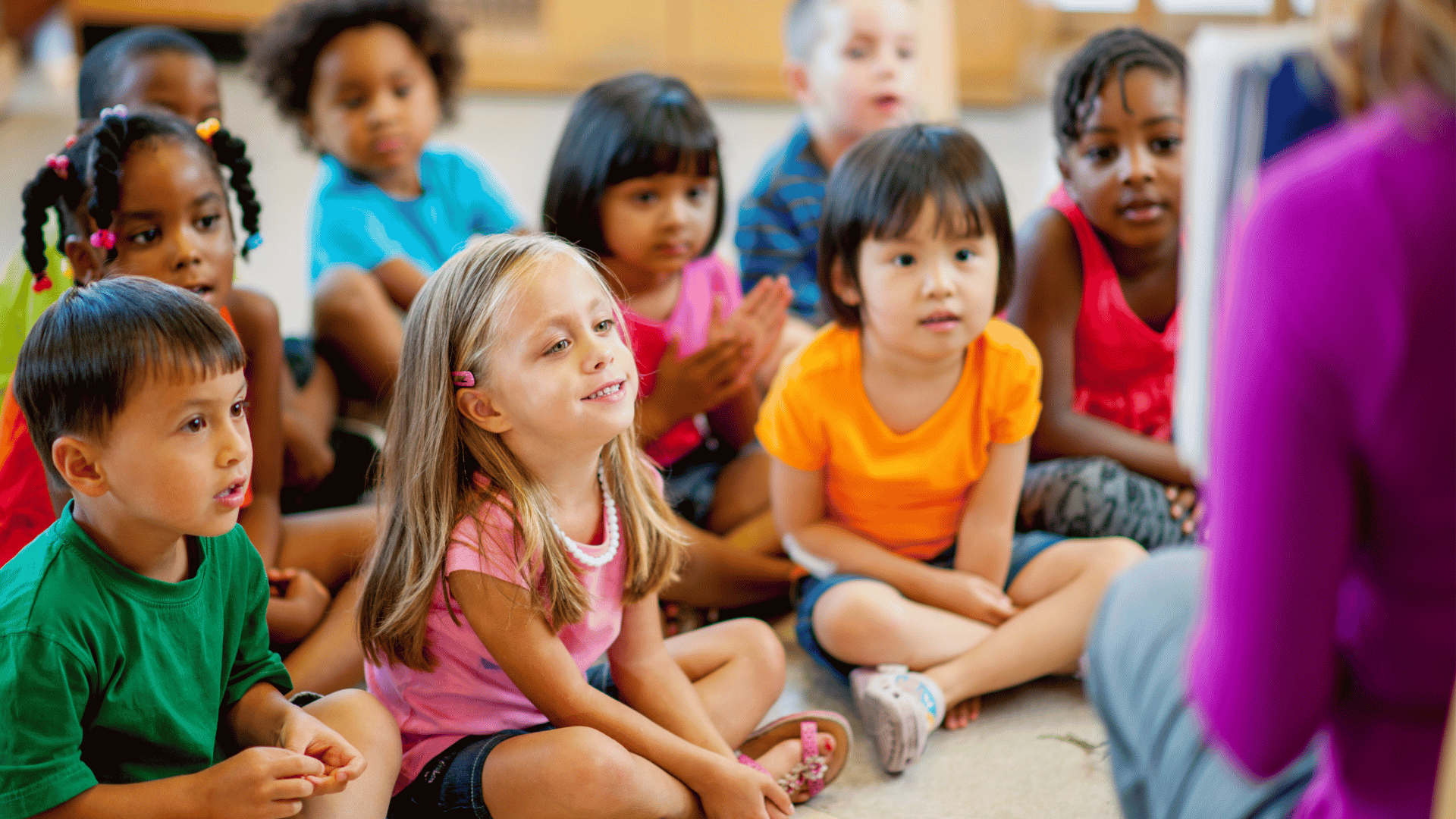
Few things unsettle a parent more than the worry that a child is being mistreated at school. Across Northville and the wider Oakland and Wayne County area, families are talking about bullying more openly than ever, and for good reason. It shows up in classrooms, on playgrounds, in group chats, and on social media, and it can quietly chip away at a child's confidence, friendships, and love of learning.
The encouraging news is that parents are far from powerless. When you know what to look for and how to respond, you become your child's steadiest advocate. This guide walks through what bullying is, the warning signs worth watching for, practical steps for responding with both courage and grace, and the role a caring school environment plays in keeping children safe.
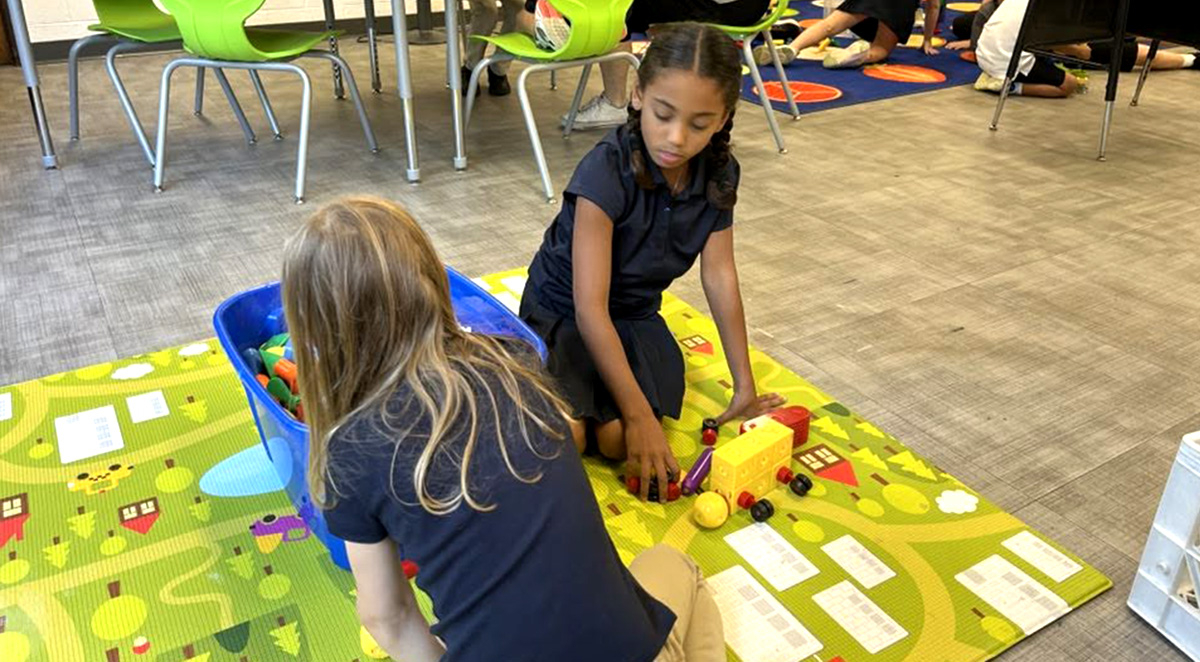
Ask parents what they hope their child gains from a school year and the answers come quickly: strong reading skills, confidence in math, a growing faith, good friends. Play rarely makes the list. Yet play is one of the primary ways children build every one of those things, and it deserves a place in the conversation as a new school year approaches.
At St. Paul Lutheran School in Northville, one conviction shapes our daily schedule: children learn best when their bodies, minds, and spirits are all engaged. Our mission calls us to help each child grow spiritually, emotionally, intellectually, socially, and physically to the best of his or her God-given ability. That fifth word matters as much as the others, and play is where much of that growth happens.

In a school transition, a child is asked to face new routines, friendships and expectations. But with Christian families, the child is not walking into an unfamiliar room alone, because the God who met them at their old school is already present in the new one. Faith can’t remove the discomfort of educational change, but it does give a child something steady to hold while everything else shifts.
At St. Paul Lutheran School in Northville, we watch this play out every year with new families from Novi, Farmington, Livonia, and across Wayne and Oakland counties. What follows is a practical guide to new school adjustment.