Character education is the intentional work of helping children develop the values, habits, and judgment that guide how they treat others and make decisions. In a Christian school, that work is rooted in God's Word and woven into every part of the school day. This article explains how Christian schools approach moral development, what that looks like in practice at St. Paul Lutheran School in Northville, and how parents can reinforce these lessons at home.
Fall is a natural time to think about these questions, as a new school year brings new friendships, responsibilities, and choices for children to navigate.
Quick Summary
- Faith is the foundation: At St. Paul, the Christian religion forms the center upon which all instruction is based, so Christian values shape every subject.
- Growth happens in stages: Character education builds from Bible stories in Kindergarten to a systematic study of Christian doctrine and discipleship in the upper grades.
- Integrity is practiced daily: Clear expectations, small classes, and teachers who know each child help students live out what they learn.
- Service develops leadership: Ongoing mission projects and a mission focused on serving God and others prepare students to lead by serving.
- Parents are partners: The school exists to assist parents in raising their children in the nurture and admonition of the Lord.
What Character Education Means in a Christian School
Every school shapes character in some way. Character education makes that process deliberate by naming the values a school hopes to build and teaching them on purpose.
In a Christian school, those values come from Scripture. Honesty, kindness, respect, responsibility, and self-control are taught as expressions of a life of faith. Children learn what is right, and they also learn why it is right and who gives them the strength to live it out.
St. Paul's mission statement captures this approach clearly. "Our teachers believe each student is a Child of God gifted with the potential to achieve success." Seeing each child as a Child of God shapes how teachers guide behavior, correct mistakes, and encourage growth.
Faith at the Center of Moral Development
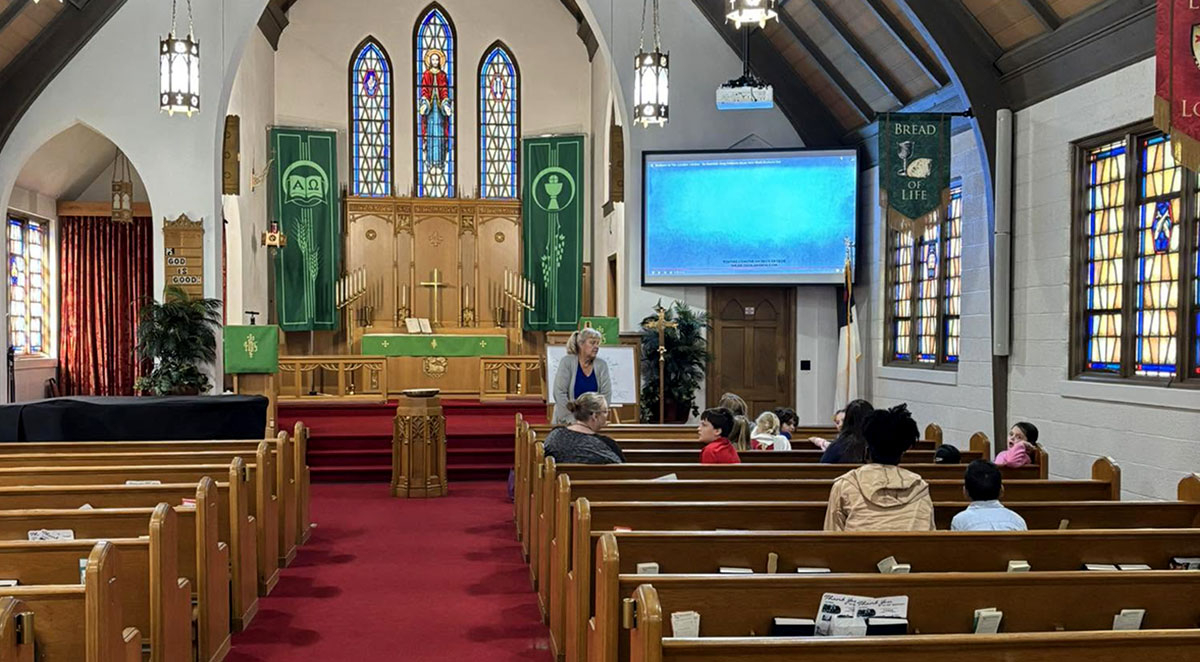
At St. Paul, moral development begins with God's Word. Each class opens daily with a brief devotion, followed by instruction in Christian doctrine and Biblical study. Students also take part in daily prayer and weekly chapel services throughout the year.
This rhythm gives children a consistent framework for understanding right and wrong. When a lesson on honesty comes from a Bible story, and that story is revisited in prayer and chapel, the value becomes part of how a child sees the world.
St. Paul's philosophy also describes a commitment to daily share with each student both the knowledge of sin and the knowledge of God's infinite love and forgiveness through Jesus Christ. This balance shapes character in an important way. Children learn to take responsibility for their mistakes, and they also learn that forgiveness and a fresh start are always available.
How Character Education Grows from Kindergarten Through Grade 8
Christian values are taught at every grade level, with lessons that grow in depth as students mature. The St. Paul K-8 program follows a curriculum in which all subjects are taught from a Lutheran and Christian perspective.
Here is how the religion curriculum builds character over time:
- Kindergarten: Bible stories are taught with real-life application to the child's daily life, and prayers, songs, and worship are included throughout the day.
- Grades 1 and 2: Students learn weekly memory verses and Bible stories with related prayers and songs. Social studies units include topics such as "Being a Good Citizen" and "We All Work Together."
- Grades 3 and 4: Students study Luther's Small Catechism and the life of Christ, with daily Bible reading and discussion and twice-weekly memory work.
- Grade 5: The curriculum covers the Ten Commandments, the Apostles' Creed, the Lord's Prayer, the Sacraments, worship and liturgy, and effective witnessing.
- Grades 6 through 8: Students study the Old and New Testaments, explore human sin and God's grace in Jesus, and focus on discipleship and living daily in Christ.
Building Integrity and Ethics Through Everyday Expectations
Integrity grows through practice. Children need clear standards, consistent follow-through, and adults who notice their choices. Christian schools reinforce ethics through the daily expectations of school life as well as through formal lessons.
Clear Standards Rooted in Scripture
The Ten Commandments give students a framework for thinking about honesty, respect, and how to treat others. At St. Paul, the dress code also draws on God's Word, asking students to be neat, clean, and modest and to avoid extremes in dress and conduct that would draw undue attention. These expectations help students practice self-control and respect for the learning environment.
Teachers Who Know Each Child
Small classes make character education more personal. At St. Paul, Kindergarten classes have a maximum of 16 students, and grades 1 through 8 have a maximum of 20 students. The average teacher-to-student ratio is one to twelve.
In most cases, teachers work with each child over two years. That continuity allows teachers to see patterns, celebrate growth, and guide students through challenges with patience and understanding.
Thinking Critically as Christians
Many texts and materials used in St. Paul classrooms are secular in nature. The school's goal is to help students understand how to respond to these ideas as Christian students. This builds ethical reasoning, since students learn to evaluate ideas through the lens of their faith.
Service and Leadership: Christian Values in Action
Christian character naturally leads to service. St. Paul's mission includes a commitment to teach children to serve God and others. The school also aims to lead children to express their Christian faith through lives of service and to teach love and respect for others and country by word and example.
Students put these values into practice in several ways:
- Ongoing mission projects give students regular opportunities to care for others.
- Casual Days invite students to contribute to the Mission of the Month Fund.
- Singing in church at St. Paul at least four times a year
- Effective witnessing and discipleship lessons in the upper grades prepare students to share Jesus with others.
This kind of leadership starts with serving. Students who learn to put others first, keep their commitments, and speak with kindness are developing the qualities that make leaders trustworthy.
Extracurriculars That Build Character
St. Paul also offers extracurricular activities that reinforce Christian values outside the classroom:
- Bible Quizzing: Students join a competitive team to memorize God's Word, with a Little League for grades 2 through 6 and a Varsity league for grades 7 and 8.
- Cub Scouts: This program focuses on areas such as character development, spiritual growth, good citizenship, respectful relationships, and friendly service.
- Praise Choir: Students can use their musical gifts to worship and serve.
How Parents Can Reinforce Character Education at Home
One of the purposes of St. Paul Lutheran School is to assist parents in raising their children in the nurture and admonition of the Lord. Character education works best when home and school share the same values and the same language.
Here are practical ways families can support what their children learn at school:
- Review memory verses together. Ask your child to share the verse they are learning and talk about what it means in daily life.
- Connect the Ten Commandments to real decisions. When a situation comes up at home, discuss which values apply and why.
- Serve together as a family. Look for ways to help neighbors, support your church, or take part in a mission project.
- Model integrity in small moments. Children notice when adults tell the truth, admit mistakes, and keep promises.
- Use faith-based resources. St. Paul families have access to RightNow Media, a large library of faith-based videos for kids, youth, and parents.
- Stay in contact with your child's teacher. Shared observations help home and school guide a child consistently.
For more ideas on how faith and family shape a child's future, read our article on private vs. public schooling and future family life. You can also learn more about why families choose Christian education for faith, character, and academic excellence.
Frequently Asked Questions
Does my family have to be Lutheran for my child to attend St. Paul?
No. St. Paul welcomes children of all faiths, socioeconomic, and ethnic backgrounds. Approximately 42 percent of the student body is non-Lutheran.
How is character education part of the regular school day?
Each class opens daily with a brief devotion, followed by instruction in Christian doctrine and Biblical study. Students also participate in daily prayer and weekly chapel services, and teachers connect God's Word to other subjects throughout the day.
Which grades does St. Paul serve?
St. Paul offers a complete program of Christian education for students from Kindergarten through grade 8.
How can I see character education at St. Paul in action?
The best way to experience the school is to visit in person. You can schedule a tour through the admissions page.
Conclusion: Building Character That Lasts
Character education shapes how children think, act, and treat others long after they leave the classroom. In a Christian school, moral development is grounded in God's Word, practiced through daily expectations, and expressed through service. At St. Paul Lutheran School, these values are taught at every grade level by teachers who know each child and partner closely with families.
If you are looking for a school that shares your Christian values and helps your child grow in integrity, faith, and leadership, we would love to meet your family. Schedule a tour or request more information to see how St. Paul can support your child's growth.