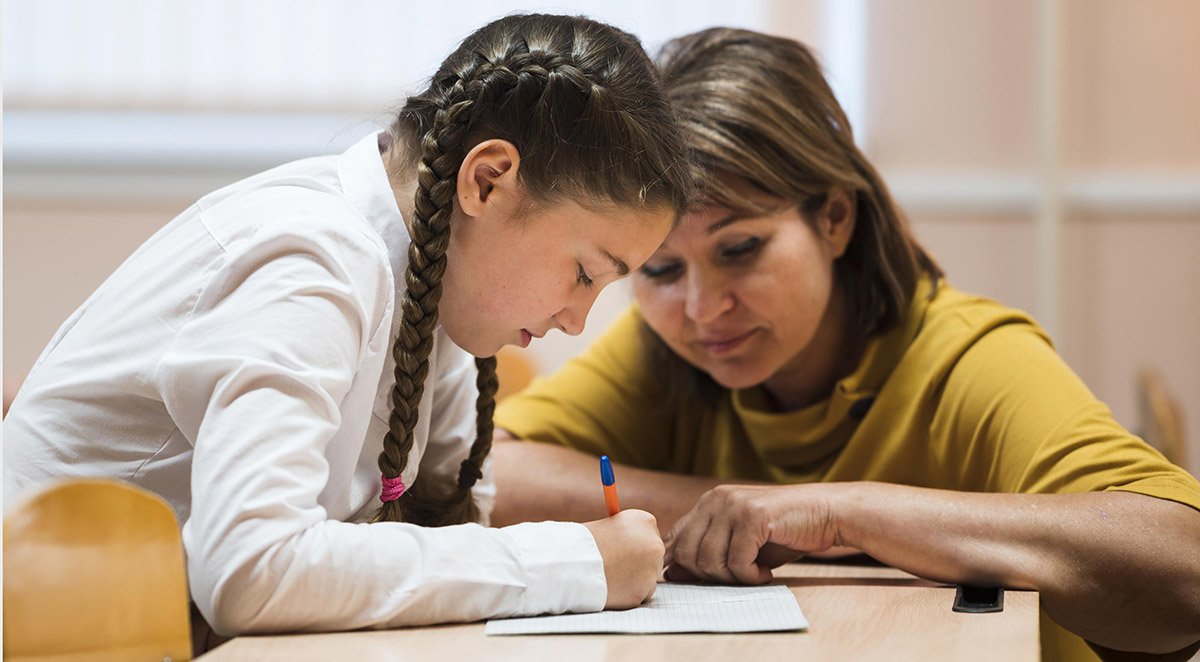
As the final weeks of the school year approach, the time between spring break and summer can feel more like a marathon than a sprint. Students who started the year eager and focused may seem tired, distracted, or ready to check out before the last bell rings. Parents often wonder how to keep their children engaged when warm weather, end-of-year fatigue, and the allure of summer vacation all compete for attention.
The good news is that finishing the school year well is not about pushing harder. It is about supporting your child with intention, faith, and practical strategies that honor both their effort and their need for rest. At St. Paul Lutheran School, we believe the end of the academic year is an opportunity for growth, reflection, and celebration of how far each student has come.
Quick Summary
The end of the school year is a pivotal time that shapes how students finish one chapter and begin the next. This blog covers:
- Why the final weeks of school matter for long-term academic success
- How to recognize the early signs of student burnout
- Practical strategies parents can use to keep motivation high
- Ways to support your child spiritually, emotionally, and academically
- Tips for celebrating growth and preparing for a restorative summer
Why the End of the School Year Matters
The closing weeks of school carry weight beyond the final report card. This is the season when final assessments are given, long-term projects come due, and teachers work to solidify the skills students have built since September. A strong finish reinforces learning, builds confidence, and sets the tone for the following academic year.
For families rooted in faith, this stretch also presents a chance to model perseverance. Scripture reminds us in Galatians 6:9, "Let us not become weary in doing good, for at the proper time we will reap a harvest if we do not give up." The end of school offers a real-life lesson in pushing through fatigue with purpose and trusting that faithful effort produces lasting fruit.
Recognizing Signs of End-of-Year Burnout
Before you can help your student finish strong, it helps to notice when burnout is creeping in. Children rarely say outright that they are overwhelmed. Instead, the signs show up in small behaviors that are easy to miss during busy evenings.
Common Indicators of Burnout
Parents should watch for these shifts in attitude or behavior:
- Increased reluctance to talk about school or homework
- Sudden dips in grades or incomplete assignments
- Trouble falling asleep or staying asleep
- Complaints of headaches, stomachaches, or general fatigue
- Shorter tempers with siblings or parents
- Loss of interest in activities they normally love
- Withdrawal from friends or extracurriculars
Noticing one or two of these is common during a demanding week. When several appear together and linger, it is a signal to slow down, open a conversation, and adjust expectations where possible.
Practical Strategies to Keep Students Motivated
Student motivation does not appear by accident. It is cultivated through routines, encouragement, and clear goals. The following strategies give parents concrete tools for the final stretch of the school year.
Create a Simple Finish-Line Plan
A visible plan helps students see the end clearly and break it into manageable pieces. Sit down with your child and walk through these steps together:
- List every remaining major assignment, test, project, and event on a shared calendar.
- Identify the three most important academic priorities for the final weeks.
- Break each priority into smaller weekly tasks with specific deadlines.
- Schedule short daily study blocks rather than long, exhausting sessions.
- Build in planned rest days or lighter evenings to prevent overload.
- Celebrate each milestone as it is completed, no matter how small.
This simple planning session transforms a vague pile of obligations into a clear, doable path. Students often feel a genuine sense of relief once they can see what is ahead.
Build Consistent Routines at Home
Consistency is one of the most underrated tools for supporting a student during demanding seasons. When home life feels predictable, children can direct their mental energy toward schoolwork rather than adjusting to constant change.
Helpful end-of-year routines include:
- A set homework time each afternoon in a quiet, well-lit space
- A regular bedtime, even as daylight stretches later into the evening
- Screen-free windows before bed to protect sleep quality
- A consistent family dinner where the day can be discussed
- Morning routines that allow unhurried starts rather than rushed exits
Strong routines at home complement the structured environment students experience at St. Paul, where predictable schedules and clear expectations help children thrive. You can learn more about our daily school experience on our about St. Paul at a glance page.
Supporting Academic Success Through Semester Conclusion
Academic success in the final weeks is rarely about cramming. It is about steady, thoughtful effort and strong communication between home and school.
Partner with Teachers
Teachers are the single best resource for understanding where your child stands and what they need most. In the closing weeks of the year, reach out with specific questions rather than general check-ins. Ask about the concepts your child is still mastering, the weight of remaining assignments, and the study strategies that would help most. A short, focused email can yield insights that save hours of confusion at home.
At St. Paul, our teachers see each student as a child of God with unique gifts. That perspective shapes how we communicate with families during every season, but especially during the final push when clarity matters most.
Encourage Steady Study Habits
Rather than marathon study sessions, encourage your student to build small, reliable habits that compound over time:
- Review notes from the day for ten minutes each evening.
- Tackle the hardest subject first when energy is highest.
- Use weekends for longer project work rather than daily cramming.
- Practice retrieval by explaining concepts out loud to a parent or sibling.
- Take short movement breaks every thirty minutes to reset focus.
These habits are not just tools for finishing the year. They are skills your child will carry into high school, college, and professional life.
Read our blog about how Christian schools help build emotionally intelligent kids.
Nurturing Faith and Character Alongside Academics
Academic success is only one piece of a child's growth. The end of the school year is also a meaningful time to strengthen faith, character, and the values that will sustain your student long after final exams are a memory.
Families can nurture spiritual growth during this season by:
- Reading a short scripture passage together at breakfast or bedtime
- Praying specifically for teachers, classmates, and upcoming assessments
- Talking openly about how to handle stress with patience and trust
- Attending worship services together as a rhythm of rest and renewal
- Modeling grace when mistakes happen, whether yours or your child's
These practices remind children that their worth is not measured by grades alone. They are loved by God, supported by family, and surrounded by a community that cares about who they are becoming. If you want to explore how faith integration shapes daily learning at St. Paul, visit our K-8 academics page.
Celebrating Growth and Preparing for Summer
As the finish line comes into view, it is worth pausing to look back. Your child has grown in ways that may not be captured on any test. Take time to name those wins out loud.
Simple celebration ideas include:
- Hosting a small family dinner that honors your child's hard work
- Creating a memory book of favorite school moments from the year
- Writing a thank-you note together to a teacher who made an impact
- Planning a low-key reward outing once final assignments are turned in
- Reflecting as a family on answered prayers from the school year
These celebrations do more than mark an ending. They teach children that effort is worth honoring, that milestones deserve attention, and that the school year is part of a larger story God is writing in their lives.
Frequently Asked Questions
How can I help my child avoid burnout in the final weeks of school?
Focus on protecting sleep, maintaining consistent routines, and breaking large assignments into smaller pieces. Watch for warning signs like irritability, fatigue, or loss of interest, and adjust expectations when needed. Short breaks, outdoor time, and family meals together can do more for motivation than any lecture about grades.
What if my child's grades start slipping in the final weeks?
Start with a conversation rather than a consequence. Ask what feels hardest right now and where they feel stuck. Then reach out to teachers for specific feedback and create a short, focused plan for the remaining assignments. Most end-of-year slumps are fixable with partnership and clear priorities.
How do I balance end-of-year activities with the need for rest?
Be selective about which events and commitments your family says yes to during the final weeks. Protect at least two or three evenings each week for family time and unstructured rest. Remember that saying no to a good thing in order to protect your child's well-being is a healthy parenting choice.
Should I already be thinking about next school year?
Yes, in a gentle way. Many families begin visiting schools and asking questions about enrollment in the spring so they have plenty of time to make thoughtful decisions. If you are considering a faith-based option for your child, you can reach out through our admissions page to schedule a tour or ask questions.
Closing Thoughts
Finishing the school year well is not about perfection. It is about showing up faithfully, supporting your child through the hard days, and celebrating every step forward. When families partner with teachers, lean into their faith, and build small habits that sustain energy and focus, students thrive in ways that reach far beyond the final report card. If you are considering a Christian School, read more about the essential qualities parents should look for in a Christ-based education. And if you want to learn more about how we support children through every stage of growth, we would love to hear from you. Reach out to schedule a tour today.