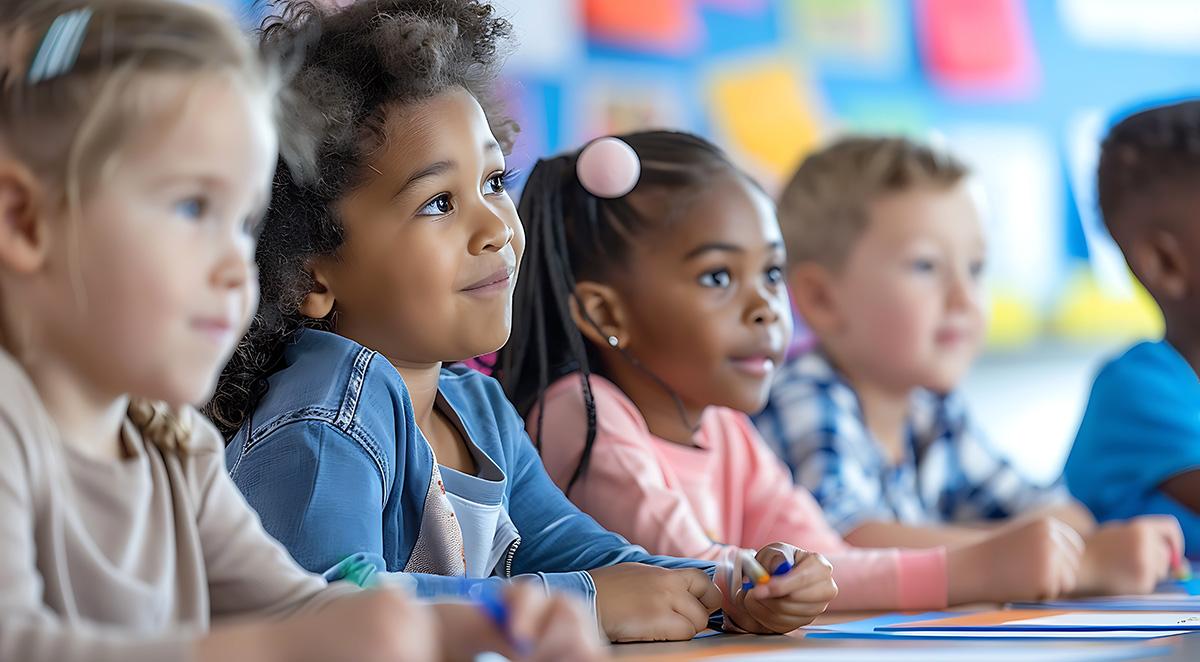
In our rapidly changing world, parents increasingly recognize that academic achievement alone isn't enough to prepare children for future success. Today's students need emotional intelligence, resilience, and strong character to navigate complex social relationships, handle stress effectively, and make wise decisions throughout their lives. The question isn't whether children need social-emotional learning—it's how schools can best provide this crucial development while maintaining their unique educational mission.
Christian schools like St. Paul Lutheran School in Northville have always understood that education must address the whole child: mind, body, and soul. Our approach to social-emotional learning isn't a new add-on program but a natural extension of our foundational belief that every child is created in God's image with unique gifts, challenges, and potential. For over 65 years, we've been developing emotionally intelligent children through a distinctly Christian lens that integrates faith, character, and emotional development.
The result? Students who not only achieve academic excellence—consistently scoring above the 80th percentile nationally—but who also demonstrate remarkable emotional maturity, resilience, and compassion. They graduate equipped not just for high school success, but for lives of meaningful contribution and healthy relationships.
1. What Social-Emotional Learning Really Means
Social-emotional learning encompasses the skills children need to understand and manage emotions, set goals, show empathy, maintain relationships, and make responsible decisions. While these competencies might sound abstract, they translate into very practical abilities that affect every aspect of a child's life.
The Five Core Competencies
Educational researchers identify five essential areas of social-emotional development.
- Self-awareness involves understanding one's emotions, strengths, and areas for growth.
- Self-management includes regulating emotions, controlling impulses, and setting goals.
- Social awareness encompasses empathy and understanding others' perspectives.
- Relationship skills involve communication, cooperation, and conflict resolution.
- Responsible decision-making integrates ethical considerations with practical problem-solving.
Beyond Academic Achievement
While cognitive development focuses on what children think, social-emotional learning addresses how they think and feel about themselves, others, and their world. Children with strong emotional intelligence demonstrate better academic performance, reduced behavioral problems, and improved mental health outcomes that persist into adulthood.
Emotional Skills as Life Skills
These competencies become the foundation for everything from friendship formation to career success. Students who understand their emotions can better manage stress during tests. Those who demonstrate empathy build stronger peer relationships. Children who learn healthy conflict resolution skills carry these abilities into their future marriages and workplace relationships.
The beauty of social-emotional learning lies in its integration with all other areas of development. When children feel emotionally secure and socially connected, they're free to take academic risks, explore creativity, and develop their unique God-given talents.
2. Christian Approach to Social-Emotional Development
Christian schools bring a unique perspective to social-emotional learning that goes beyond secular approaches. Rather than viewing emotions as merely biological responses or social constructs, we understand them as part of God's design for human beings created in His image.
Biblical Foundation for Emotional Intelligence
Scripture provides rich guidance for understanding and managing emotions. The Bible doesn't ignore or minimize human feelings but offers wisdom for processing them in healthy ways. Students learn that emotions themselves aren't wrong, but that we have choices about how we respond to and express our feelings.
Biblical characters provide powerful examples of emotional experiences: David's psalms model honest expression of both joy and despair, Jesus demonstrates righteous anger and deep compassion, and Paul teaches about controlling our responses to difficult circumstances.
Integration of Faith and Feelings
At St. Paul Lutheran School, we help students understand that their faith provides both comfort and guidance for emotional challenges. Prayer becomes a natural response to anxiety or fear. Bible verses offer encouragement during difficult times. The promise of God's love provides security that enables emotional risk-taking and vulnerability in relationships.
Character Development Through Emotional Growth
Christian virtues like patience, kindness, and self-control aren't just moral ideals—they're practical tools for emotional regulation. When students learn to practice forgiveness, they develop resilience. When they serve others, they build empathy and purpose that counteracts self-centered thinking patterns.
This approach doesn't bypass or minimize mental health challenges, but rather provides additional resources for addressing them. Professional counseling, when needed, works alongside spiritual formation to support complete healing and growth.
3. Character Development as a Foundation for Emotional Health
St. Paul Lutheran School's mission includes "responding creatively to the needs of all children," recognizing that every student brings unique emotional and social needs that require individualized attention and care.
Biblical Virtues as Emotional Regulation Tools
Teaching virtues like patience helps children learn to tolerate frustration and delay gratification. Practicing kindness develops empathy and reduces aggressive responses to conflict. Learning self-control provides practical strategies for managing impulses and strong emotions.
These aren't abstract concepts but daily practices integrated into classroom management, peer interactions, and conflict resolution. Students don't just learn about kindness—they practice it in specific situations with teacher guidance and peer support.
Service Learning Developing Compassion
Our regular service learning projects and mission activities naturally develop emotional intelligence by requiring students to consider others' needs and respond with compassion. When students collect items for food banks, they develop empathy. When they serve at community events, they practice social skills and build confidence.
Daily Character Formation
Character development happens through countless small interactions throughout each school day. Teachers model emotional regulation, demonstrate conflict resolution, and provide individual coaching when students struggle with social-emotional challenges.
Morning devotions, chapel services, and prayer times create regular opportunities for students to process emotions, seek guidance, and practice gratitude—all essential components of emotional health.
4. Small Class Sizes Enable Personalized Emotional Support
One of the most significant advantages Christian schools can offer for social-emotional development is the individual attention possible in smaller class settings. At St. Paul Lutheran School, our maximum class sizes of 20 students (16 for kindergarten) create environments where every child's emotional needs can be recognized and addressed.
Teachers Knowing Each Child's Emotional Needs
In classes of 30 students, even the most caring teachers struggle to provide individualized emotional support. With smaller classes, teachers can identify when students feel anxious, frustrated, or overwhelmed and provide appropriate intervention before small problems become major issues.
Our teachers learn each student's personality, family situation, learning style, and emotional triggers. This knowledge enables them to provide exactly the right kind of support each child needs to feel secure and successful.
Multi-Year Relationships for Deeper Understanding
Many of our teachers work with the same students across multiple years, building relationships that go far beyond academic instruction. These deep connections enable teachers to provide consistent emotional support and track students' social-emotional growth over time.
Students develop trust with teachers who truly know them, creating safe relationships where they can express concerns, seek guidance, and receive encouragement tailored to their specific needs and circumstances.
Safe Environments for Emotional Expression
Small classes create family-like atmospheres where students feel secure enough to be vulnerable. They can share struggles, ask for help, and express emotions without fear of ridicule or judgment from large peer groups.
This emotional safety becomes essential for learning. Students who feel secure are more willing to take academic risks, participate in discussions, and engage in the kind of deep learning that transforms both mind and heart.
5. Pastoral Care Approach to Student Mental Health
Christian schools have the unique opportunity to address students' emotional and spiritual needs simultaneously, recognizing that these aspects of development are deeply interconnected.
Teachers as Caring Mentors Beyond Academics
Our teachers understand their calling extends beyond subject matter instruction to include caring for students' overall well-being. This pastoral approach means teachers notice changes in behavior, mood, or performance and respond with both professional skill and Christian compassion.
When students face family difficulties, academic struggles, or social challenges, teachers provide both practical support and spiritual encouragement. They may offer extra academic help while also praying with students and pointing them to biblical sources of hope and strength.
Spiritual Support During Difficult Times
Life brings challenges that require more than academic skills to navigate successfully. Christian schools can address these situations with prayer, biblical wisdom, and faith-based encouragement that secular schools cannot provide.
Whether students face parents' divorce, family illness, friendship conflicts, or academic disappointments, they receive care that addresses their spiritual and emotional needs simultaneously. This comprehensive support often proves crucial for long-term healing and resilience development.
Family-Like Community Building Emotional Security
The close-knit community characteristic of Christian schools creates multiple layers of support for students' emotional development. Students don't just have individual relationships with teachers—they become part of a school family where everyone looks out for each other's well-being.
This community support proves especially valuable for students who may not receive adequate emotional support at home or who struggle with anxiety, depression, or other mental health challenges.
6. Teaching Resilience Through Biblical Perspectives
Resilience—the ability to bounce back from setbacks and persevere through challenges—has become recognized as one of the most important predictors of long-term success and mental health.
Using Scripture to Process Challenges
The Bible provides countless examples of people overcoming difficulties through faith, perseverance, and trust in God's goodness. Students learn to apply these stories to their own challenges, finding encouragement and practical wisdom for handling disappointments and setbacks.
Rather than avoiding difficult emotions or pretending problems don't exist, students learn to process challenges honestly while maintaining hope and perspective grounded in their faith.
Building Perseverance Through Faith-Based Encouragement
Christian schools can help students understand that difficulties serve purposes in character development and that God works through all circumstances for ultimate good. This perspective doesn't minimize pain but provides context that enables students to persevere through temporary setbacks.
Students learn that failure isn't final, that mistakes provide learning opportunities, and that their identity and worth aren't determined by performance or circumstances.
Learning from Biblical Examples
Scripture provides powerful models of resilience: Joseph overcoming betrayal and imprisonment, David facing giants both literal and figurative, Esther finding courage in dangerous circumstances. These stories offer both inspiration and practical examples of how faith enables resilience.
Students see that even biblical heroes experienced fear, doubt, and discouragement but found strength through their relationship with God and their commitment to doing what's right regardless of circumstances.
7. Conflict Resolution Skills Based on Christian Principles
One of the most practical applications of Christian social-emotional learning involves teaching students how to handle disagreements and interpersonal conflicts constructively.
Forgiveness and Restoration vs. Punishment
Christian approaches to conflict resolution emphasize restoration of relationships rather than simply punishing wrongdoing. Students learn to seek forgiveness when they've hurt others and to extend grace when they've been wronged.
This approach teaches powerful emotional regulation skills while building empathy and understanding. Students discover that forgiveness doesn't mean ignoring hurt feelings but rather choosing to work toward restored relationships.
Peer Mediation and Problem-Solving
Small class sizes enable teachers to address conflicts immediately and thoroughly, often using peer mediation approaches that help students develop problem-solving skills while rebuilding damaged relationships.
Students learn to express their feelings appropriately, listen to others' perspectives, and work together to find solutions that respect everyone involved. These skills prove invaluable throughout their lives.
Building Empathy Through Understanding Others
Christian education emphasizes seeing others as fellow image-bearers of God worthy of respect and compassion. This perspective naturally develops empathy as students learn to consider how their actions affect classmates and respond with kindness even when others make mistakes.
Rather than viewing conflicts as win-lose competitions, students learn to seek understanding and work toward outcomes that benefit everyone involved.
8. Preparing Students for Emotional Challenges in Modern World
Today's students face social-emotional challenges that previous generations never encountered, from social media pressures to information overload to rapidly changing cultural expectations.
Digital Citizenship and Online Emotional Intelligence
Christian schools can address technology's impact on emotional development by teaching biblical principles for online interactions, helping students understand how digital communication affects relationships, and providing guidance for managing screen time and social media use.
Students learn that the same virtues that guide in-person relationships apply to online interactions: treating others with respect, being honest and trustworthy, and using technology in ways that serve others rather than just themselves.
Anxiety and Stress Management Through Faith
Many students today struggle with anxiety, depression, and stress-related mental health challenges. Christian schools can address these issues by combining professional mental health resources with spiritual support and biblical wisdom.
Students learn practical strategies for managing anxiety while also discovering how prayer, Scripture memory, and trust in God's sovereignty provide powerful resources for emotional regulation.
Building Confidence Through Christian Identity
Perhaps most importantly, Christian education helps students develop identity and self-worth based on their relationship with God rather than on performance, appearance, or peer acceptance. This foundation provides remarkable stability in a world that constantly changes.
Students learn that they are loved unconditionally by God, created with unique purposes, and equipped with gifts to serve others. This identity forms the bedrock of emotional health that enables them to weather life's inevitable challenges.
9. Frequently Asked Questions
How do Christian schools approach mental health differently than secular schools?
Christian schools address mental health through a whole-person approach that integrates spiritual, emotional, and psychological support. While we absolutely utilize professional mental health resources when needed, we also recognize that spiritual health significantly impacts emotional well-being. Students receive prayer support, biblical counseling alongside professional therapy when appropriate, and community care that addresses both immediate needs and long-term spiritual formation.
Our small class sizes enable teachers to notice changes in students' emotional state quickly and respond with both professional expertise and Christian compassion. The key difference is that we don't separate emotional health from spiritual health—we understand them as interconnected aspects of human flourishing.
What does social-emotional learning look like in daily Christian education?
Social-emotional learning in Christian schools happens throughout the day rather than in isolated lessons. Morning devotions provide opportunities to discuss emotions and practice gratitude. Classroom interactions become chances to practice patience, kindness, and conflict resolution. Service learning projects develop empathy and social awareness. Chapel services build community while addressing emotional and spiritual needs. Teachers integrate character development into academic subjects, showing how virtues like perseverance apply to challenging math problems or how empathy enhances understanding of historical events.
The Christian worldview provides a framework for understanding emotions as part of God's design while offering practical tools for emotional regulation through prayer, Scripture, and community support.
How do small class sizes support emotional development?
Small class sizes create the conditions necessary for meaningful social-emotional development. Teachers can recognize individual students' emotional needs, provide personalized support, and address conflicts before they escalate. Students feel safer expressing vulnerabilities and asking for help when they're not competing with 25-30 classmates for attention. Small classes enable more participation in discussions, leadership opportunities, and collaborative projects that build social skills.
Teachers can adapt their approach to different personality types—providing more encouragement for shy students or more structured guidance for impulsive ones. Most importantly, small classes create family-like atmospheres where students develop genuine care for each other, practicing empathy and compassion in authentic relationships rather than artificial exercises.
10. Nurturing Emotionally Intelligent Children Through Christian Education
The goal of social-emotional learning in Christian schools isn't just to help children manage their emotions or get along with others, though these skills are certainly important. Our ultimate aim is to help students develop into the people God created them to be: individuals who love deeply, serve others joyfully, handle challenges with grace, and contribute meaningfully to their communities.
This holistic approach to child development recognizes that academic achievement, emotional intelligence, spiritual formation, and character development all work together to create thriving human beings. When children learn in environments where they feel known, loved, and valued for who God created them to be, they flourish in ways that extend far beyond test scores or behavioral compliance.
At St. Paul Lutheran School, we've witnessed this transformation countless times over our 65+ years of Christian education. Students who enter timid become confident leaders. Those who struggle with anger learn self-control. Children who feel anxious develop peace through faith. Most importantly, they all learn that their emotions, like every other aspect of their lives, can be offered to God and used in service of others.
We invite families to schedule a campus visit to see how our approach to social-emotional learning creates environments where children thrive emotionally, academically, and spiritually. Discover how our comprehensive educational approach develops the whole child and learn more about what makes our school community unique.
Your child deserves an education that addresses their complete development—mind, heart, and soul. Let us show you how Christian education can provide the foundation for lifelong emotional health and meaningful relationships.