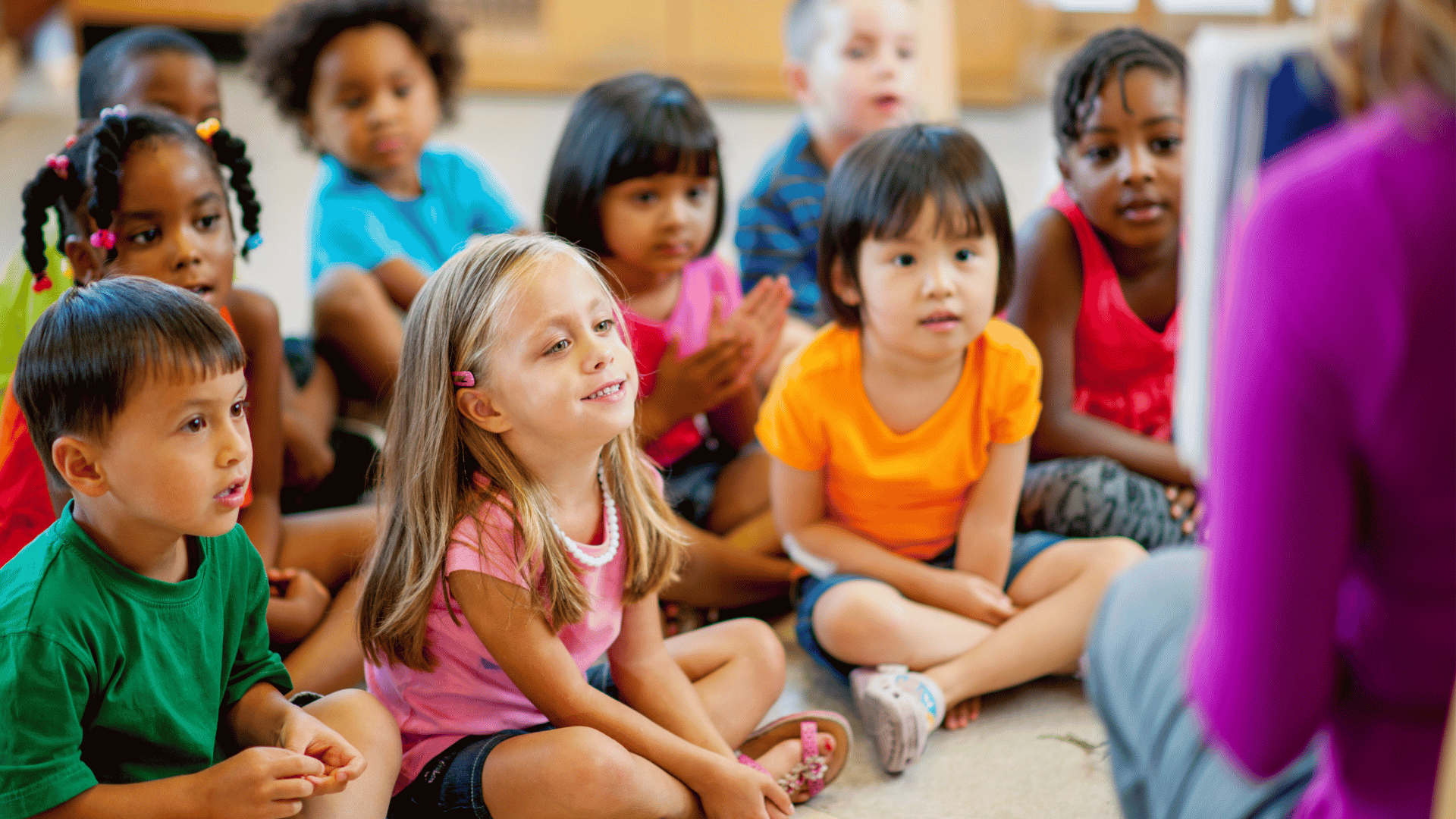
Few things unsettle a parent more than the worry that a child is being mistreated at school. Across Northville and the wider Oakland and Wayne County area, families are talking about bullying more openly than ever, and for good reason. It shows up in classrooms, on playgrounds, in group chats, and on social media, and it can quietly chip away at a child's confidence, friendships, and love of learning.
The encouraging news is that parents are far from powerless. When you know what to look for and how to respond, you become your child's steadiest advocate. This guide walks through what bullying is, the warning signs worth watching for, practical steps for responding with both courage and grace, and the role a caring school environment plays in keeping children safe.
Quick Summary
- Bullying is repeated, intentional harm involving a real or perceived power imbalance, which sets it apart from ordinary conflict between peers.
- It takes several forms: physical, verbal, social or relational, and cyberbullying.
- Many children never tell an adult, so behavioral, emotional, physical, and academic changes are often your first clues.
- A calm, steady response matters more than an immediate reaction: listen, document, partner with the school, and follow up.
- Raising kind, empathetic children is one of the most powerful forms of prevention.
- School culture makes a real difference, and small, values-centered communities are well positioned to notice and address bullying early.
Understanding What Bullying Really Is (and Isn't)
Not every unkind moment qualifies as bullying, and knowing the difference helps you respond appropriately. Bullying is unwanted, aggressive behavior that is repeated over time and involves a real or perceived imbalance of power. A one-time argument between friends, while painful, is usually conflict rather than bullying. True bullying follows a pattern, and the child on the receiving end often feels unable to make it stop.
Bullying is also more common than many parents realize. National data compiled by the Centers for Disease Control and Prevention shows that roughly one in five students reports being bullied at school, a reminder that this is a shared experience rather than a rare one.
Bullying generally falls into four categories:
- Physical bullying: hitting, pushing, tripping, or damaging another child's belongings.
- Verbal bullying: name-calling, insults, teasing, and threats.
- Social or relational bullying: deliberately excluding a child, spreading rumors, or turning friends against one another.
- Cyberbullying: hurtful messages, posts, or images shared through phones, games, and social media, often outside of school hours.
Because these forms overlap and can happen quietly, bullying is not always obvious to teachers or parents. The federal resource StopBullying.gov notes that recognizing the warning signs is the essential first step, since many children who are bullied never ask for help directly.
Warning Signs Your Child May Be Experiencing Bullying
Children often communicate distress through changes in behavior rather than words. No single sign confirms bullying, and some of these signals can point to other challenges, so the goal is to notice patterns and open a caring conversation. Watching for shifts across a few areas will give you the clearest picture.
Behavioral and Emotional Signs
Emotional changes are frequently the earliest indicators that something is wrong. Pay attention if your child:
- Seems anxious, withdrawn, or unusually sad, especially around school time.
- Suddenly loses interest in friends or avoids social situations they once enjoyed.
- Becomes easily upset, irritable, or clingy at drop-off.
- Speaks poorly of themselves or expresses feelings of helplessness.
Trust your instincts here. You know your child's usual temperament better than anyone, and a noticeable change in mood deserves gentle attention.
Physical and Academic Signs
Bullying can also leave physical and academic footprints. Consider whether your child:
- Comes home with unexplained injuries, or with lost or damaged clothing, books, or belongings.
- Complains of frequent headaches or stomachaches, or seems to feel sick before school.
- Has trouble sleeping or experiences frequent nightmares.
- Shows declining grades, a fading interest in schoolwork, or a growing reluctance to attend.
When several of these appear together, it is worth a closer look. A quiet, sensitive child may not volunteer what is happening, which makes your observation all the more important.
How to Respond When Your Child Is Being Bullied
Discovering that your child is hurting can stir up anger and urgency, and that reaction is entirely natural. Even so, a calm and deliberate response protects your child far better than a hasty one. The following steps offer a steady path forward.
- Listen first, and stay composed. Let your child tell the whole story without interruption. Reassure them that speaking up was the right thing to do and that the situation is not their fault.
- Gather the details. Write down what happened, when, where, and who was involved. For cyberbullying, save screenshots. A clear record helps both you and the school respond effectively.
- Partner with the school. Reach out to the teacher, counselor, or principal calmly and share what you have documented. Schools are allies in this work, and most have processes designed to address bullying quickly. StopBullying.gov offers helpful guidance on working with your child's school.
- Follow up. Check back with both your child and the school to confirm the situation is improving. Consistency signals to your child that you are in their corner for the long haul.
- Seek extra support when needed. If your child shows signs of lasting distress, a school counselor or family physician can provide additional care.
Throughout this process, a faith-centered perspective can steady the whole family. Scripture calls us to be kind and tenderhearted, to forgive, and to stand up for those who are vulnerable. Teaching a child to answer cruelty with both firmness and grace, refusing to retaliate while still asking for help, gives them a foundation that reaches well beyond any single incident.
Raising a Child Who Won't Bully Others
Prevention is not only about protecting your child, but also about shaping the kind of person your child becomes. Every family has a role in raising children who treat others with dignity. This is where character formation, modeled at home and reinforced at school, does its quiet, lasting work.
A few habits make a meaningful difference:
- Model kindness and respect in how you speak to and about others, since children absorb far more than they are told.
- Talk openly about empathy, asking your child to imagine how a classmate might feel in a given situation.
- Encourage them to be an upstander, someone who includes the left-out child or tells a trusted adult when they see harm.
- Set clear expectations about how people should be treated, grounded in the simple biblical call to love your neighbor.
Children who learn early that every person carries inherent worth are far less likely to belittle others, and far more likely to defend those who are struggling. You can explore how faith and character shape this kind of growth in our overview of why Christian education builds faith, character, and academic excellence.
Why School Environment Makes the Difference
No school, public or private, can promise a world entirely free of conflict, and any school that claims otherwise is not being honest with families. What a school can do is shape a culture that notices problems early, responds consistently, and actively cultivates kindness. The environment your child spends each day in genuinely matters.
Several features tend to make a school more protective by design:
- Smaller class sizes mean teachers know each student well, so changes in behavior and friendship dynamics are easier to spot before they escalate.
- A shared set of values gives students, staff, and families a common language for how people should treat one another.
- A strong home-school partnership ensures that concerns raised at home reach the right people at school, and that the school can flag concerns to you in turn.
At St. Paul Lutheran School in Northville, these are not add-ons but the heart of the community. A Christ-centered environment treats every child as a person of worth, and character formation is woven into daily life rather than reserved for a single lesson. Families weighing the connection between environment and student wellbeing may also find our article on whether private schools are safer than public schools helpful as they consider their options.
Frequently Asked Questions
What is the difference between normal conflict and bullying?
Conflict is a disagreement between people of roughly equal footing, and it can often be resolved with a conversation. Bullying is repeated, intentional, and marked by an imbalance of power, which leaves the targeted child feeling unable to stop it alone. When the behavior is ongoing and one-sided, treat it as bullying and involve the school.
Should I contact the school or let my child handle it?
Age and severity guide this decision, and there is room for both. Coaching your child to speak up for themselves builds confidence, yet you should always loop in the school when the behavior is repeated, escalating, or affecting your child's wellbeing. You are your child's advocate, and asking for help is a sign of strength, not weakness.
How can I tell if my quiet child is being bullied?
Reserved children may not describe what is happening, so watch for changes rather than waiting for words. A drop in mood, reluctance to go to school, physical complaints, or a sudden loss of friends can all speak volumes. Create low-pressure moments to talk, such as during a car ride or a walk, when children often open up more easily.
Does a smaller school really reduce bullying?
Smaller schools are not automatically free of bullying, but their structure offers real advantages. When teachers know every student and families are closely connected, warning signs surface sooner and responses come faster. Paired with a clear, values-based culture, that close-knit setting helps keep problems from taking root.
A Caring Community Makes All the Difference
Bullying is a hard subject, but no family has to face it without a plan or without support. By learning the warning signs, responding with calm and courage, and nurturing kindness at home, you give your child both protection and a model for how to treat others. The right school walks alongside you in that work every step of the way.
At St. Paul Lutheran School, we are committed to a safe, nurturing environment where academic excellence and Christian values shape children for life and eternity. If you would like to see how a close-knit, faith-centered community cares for every student, we warmly invite you to connect with our admissions team and schedule a visit.